.svg)

Google Gemini Knows Everything in Your Drive. That Is Exactly the Problem.
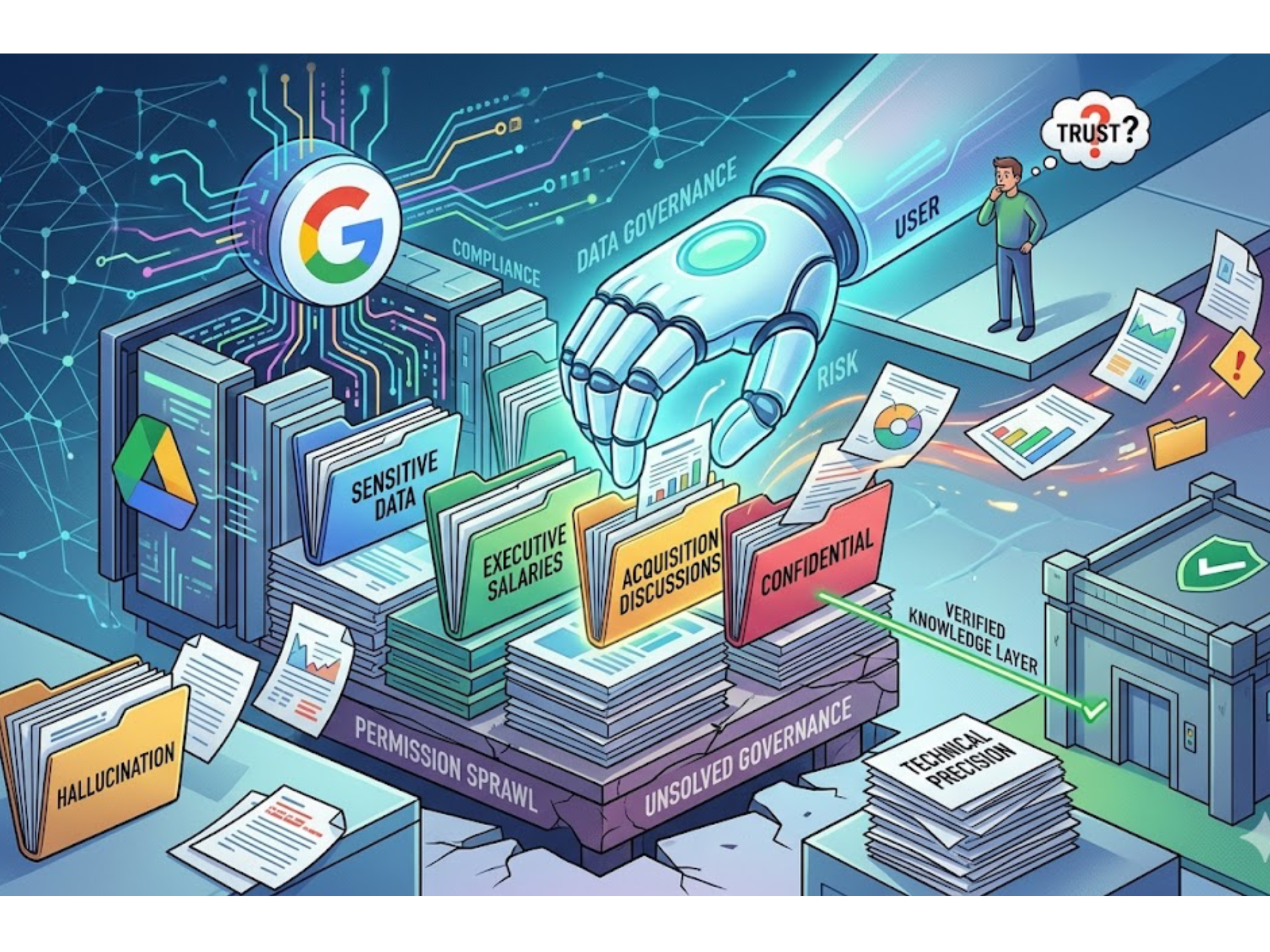
With Gemini, the very thing that makes it powerful is often what makes it complicated to trust at scale.
Google Gemini is an impressive piece of technology. For anyone living inside Gmail, Google Docs, Sheets, and Drive, it delivers something genuinely useful: a fast, capable AI assistant that can summarize email threads, analyze spreadsheet data, draft documents, and search across your entire Workspace without copying and pasting anything. As a productivity tool for individuals already inside the Google ecosystem, it is hard to argue with the convenience.
But as organizations move from individual productivity to enterprise-wide AI deployments, a different set of problems starts to surface. And with Gemini, the very thing that makes it powerful is often what makes it complicated to trust at scale.
The Gemini Oversharing Problem: It Surfaces What You Can Access, Not What You Should
Gemini's deep integration with Google Workspace is its biggest selling point. It is also its most significant enterprise risk. When Gemini is activated, it inherits every permission setting in your organization, including every legacy folder access, outdated group membership, and overly broad sharing setting that has accumulated over years.
The practical consequence is this: any employee can ask Gemini a natural language question and get an accurate answer based on whatever they technically have access to, whether or not that information was meant to be easily discoverable. Researchers at Concentric AI documented cases where employees could surface executive salary information, acquisition discussions, or sensitive operational data simply by asking a well-phrased question.
In June 2025, a vulnerability called GeminiJack was disclosed, revealing that malicious instructions embedded in common documents could be used to exfiltrate sensitive corporate data through Gemini's Enterprise interface. Google patched it, but the incident illustrated a structural challenge: an AI wired deeply into your data environment has a large surface area for misuse, both accidental and intentional.
Google Gemini Hallucinations and Accuracy Gaps in Complex Enterprise Tasks
Gemini performs well on general knowledge tasks and is genuinely fast. But reviewers across Gartner Peer Insights and G2 consistently note inconsistency as the platform's most frustrating characteristic. In controlled benchmarks, hallucination rates can be as low as 1.8 percent. In complex or knowledge-intensive enterprise tasks, independent analyses have found error rates exceeding 40 percent.
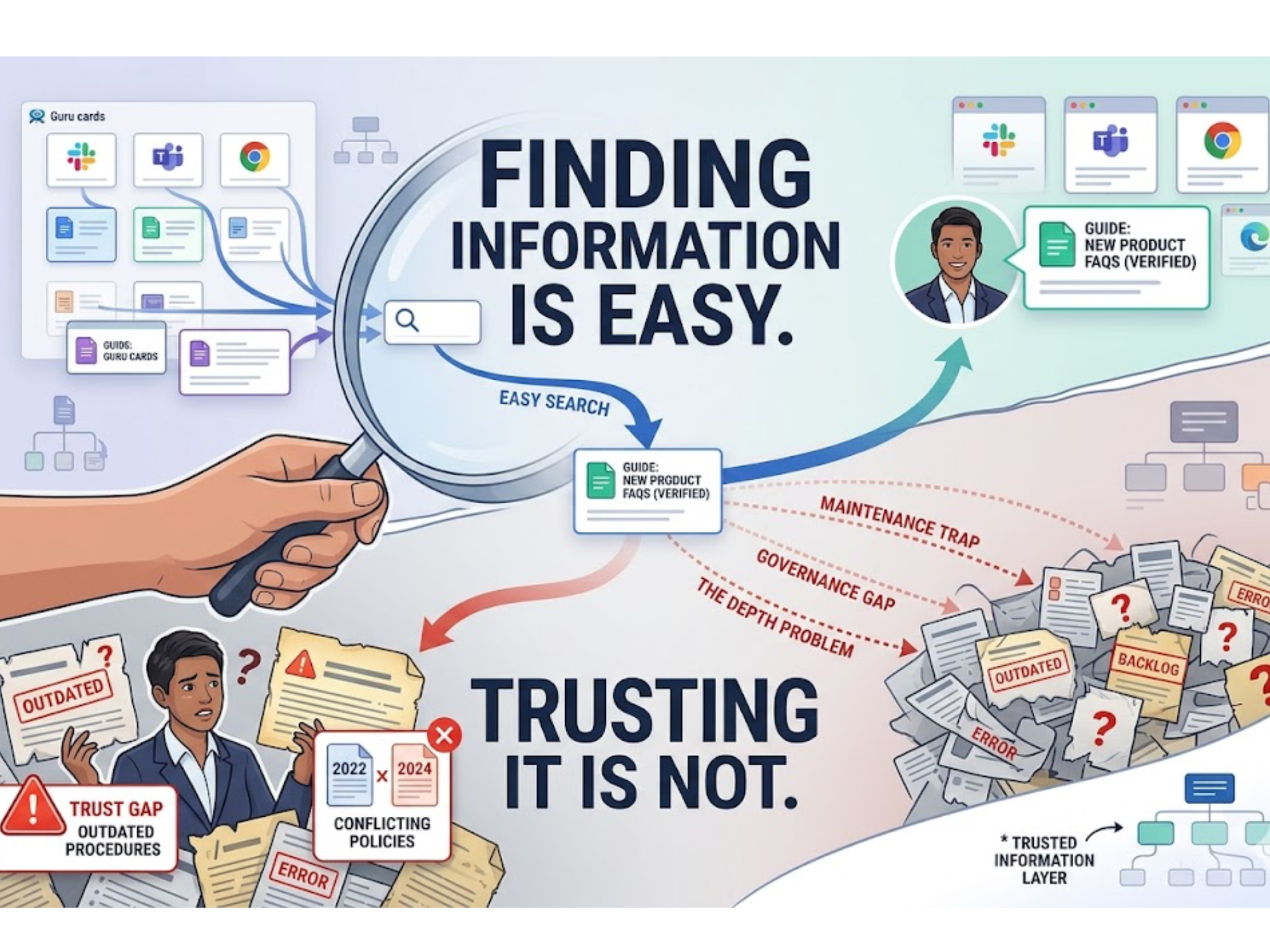
For routine work like summarizing a meeting transcript or generating a first draft, that inconsistency is manageable. For teams making decisions based on technical documentation, regulatory policy, or product-specific procedures, the gap between "probably right" and "verifiably right" is the entire ballgame. IT Pro's hands-on review of Gemini in Google Workspace described it as "flawed but fast," noting that it regularly oversimplifies answers and struggles with precision in technical contexts.
Gemini Was Built for Breadth, Not Depth
Gemini draws on Google's vast training data and your organization's Workspace content. What it cannot do is reason deeply over your specific domain knowledge. It does not understand the relationships between your product versions, your internal SOPs, your compliance requirements, and your customer configurations. It can retrieve and summarize documents that mention those things. It cannot tell you which procedure applies to this version of your product, under this compliance revision, for this specific customer scenario.
That distinction matters enormously for support teams, field technicians, compliance officers, and anyone in a regulated environment who needs not just an answer but an answer they can stand behind. A fast response built on broad training data is a starting point, not a resolution
Compliance and Data Governance Remain Unsolved
For organizations subject to HIPAA, GDPR, or sector-specific regulations, Gemini's data residency guarantees remain limited. Google does not guarantee that data stays in specific regions by default, which creates complexity for legal and compliance teams trying to enforce data sovereignty requirements. Gemini can also surface regulated data, including PHI and PII, to users who have access but should not have easy visibility, compounding the permission sprawl problem described above.
Where the Market Is Heading
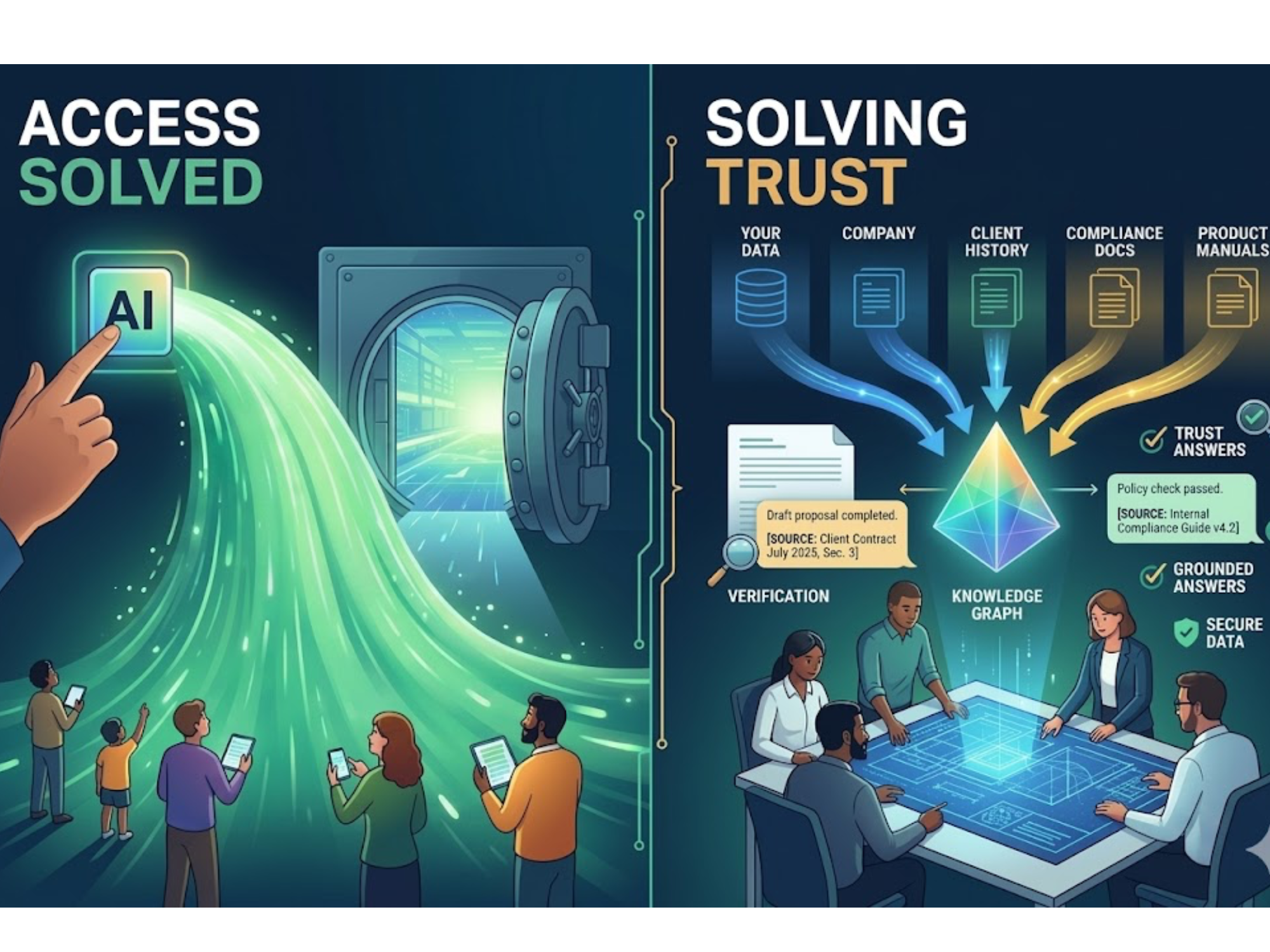
Teams navigating these challenges are increasingly looking for something Gemini was not designed to be: a system that answers only from verified, governed knowledge, cites its sources explicitly, and can be deployed in a private environment where data stays under organizational control.
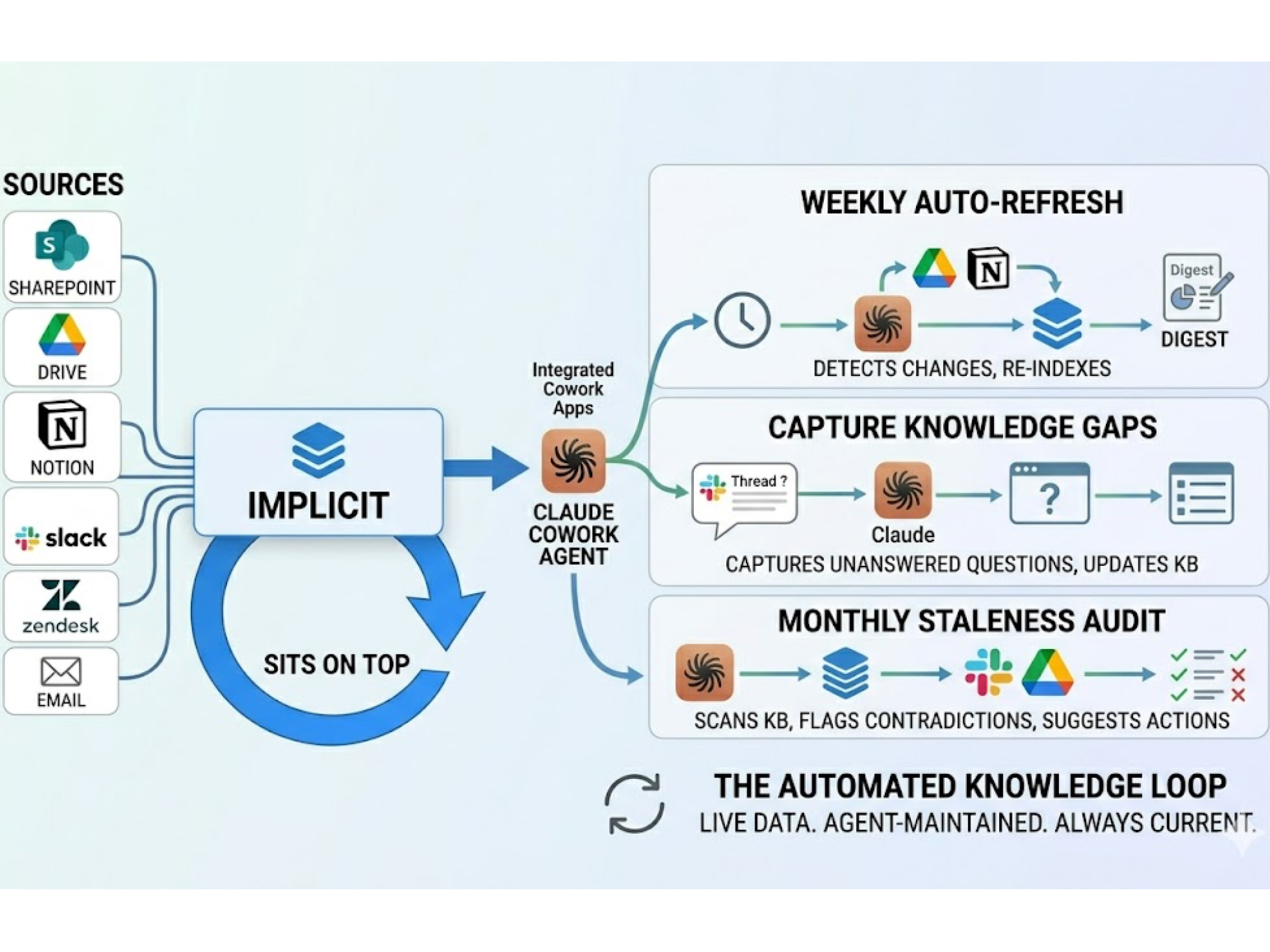
A growing approach is to treat domain-specific knowledge separately from general AI capability, building a structured knowledge layer over your most critical content so that answers are contextually accurate, fully traceable, and governed by access controls your compliance team can audit. That is the problem Implicit was built to solve.
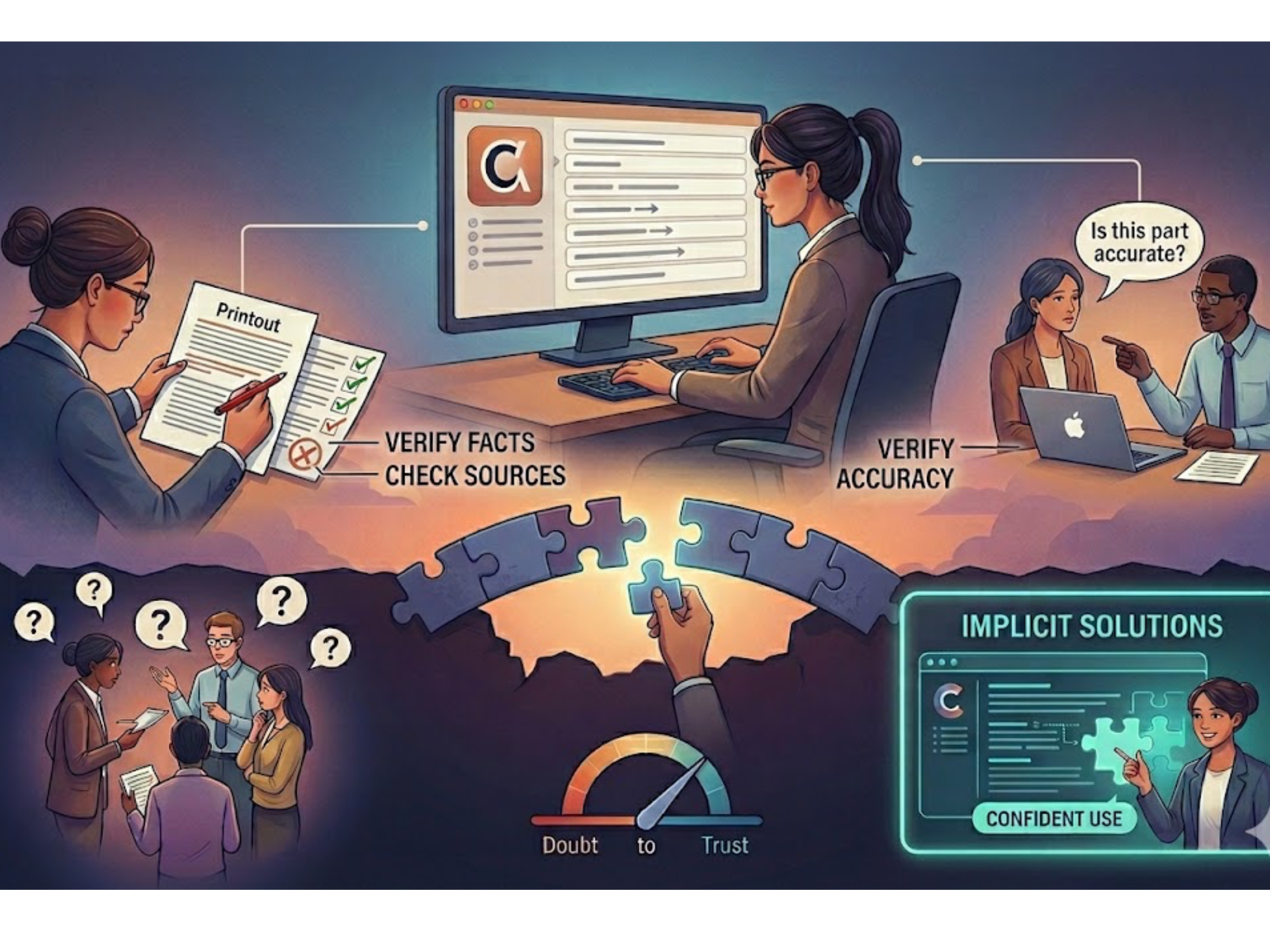
The first wave of enterprise AI was about making knowledge accessible. The next wave is about making it trustworthy enough to act on, in regulated environments, at scale, without creating new risk in the process. The question is not whether tools like Gemini work. They do. The question is what teams need once broad AI access is no longer the bottleneck.

.svg)