.svg)

Alternatives to Delphi.ai: Choosing the Right Platform for AI-Powered Expertise (2026)
Understand the difference between scaling personas and truly scaling knowledge and expertise.
As AI tools move from novelty to infrastructure, a new category has emerged: platforms that promise to turn human expertise into interactive AI. One of the most visible names in that category is Delphi.ai. It popularized the idea that your thinking, writing, and voice could live on as an AI people can talk to.
But as adoption grows, so do the questions.
Many creators, teams, and organizations eventually realize that sounding like an expert is not the same as being one—and that distinction becomes critical when accuracy, trust, and reuse matter.
That’s why interest in alternatives to Delphi.ai is accelerating.
This article takes a deeper look at:
- What Delphi.ai actually does beneath the hood
- Why its approach works well for some use cases and poorly for others
- How the leading alternatives compare in practice
- Why Implicit is often the strongest choice when expertise needs to scale responsibly
What Delphi.ai Does, And Why It Resonates
Delphi.ai is best understood as an AI persona platform. Its primary goal is to capture how a person thinks and communicates, then make that voice accessible through conversational AI.
Rather than functioning as a traditional knowledge base, Delphi ingests a creator’s existing content (ie: blog posts, essays, interviews, podcasts, social media threads) and uses that material to infer patterns: tone, values, opinions, and recurring ideas. The result is an AI that responds in a way that feels consistent with the person behind it.
This approach is powerful because it solves a real problem for creators and thought leaders: attention does not scale. Delphi allows one individual to engage thousands of people asynchronously, answering questions in a way that feels personal and aligned with their worldview.
For many use cases, that’s exactly the point.
Delphi works especially well when:
- The expertise is opinion-driven or philosophical
- Tone and style matter more than citations
- The audience wants to engage with a person, not a corpus
- Accuracy is subjective rather than operational
In those contexts, Delphi.ai can feel almost magical.
Where the Delphi.ai Model Starts to Fracture
As soon as the use case shifts from engagement to reliability, cracks begin to show.
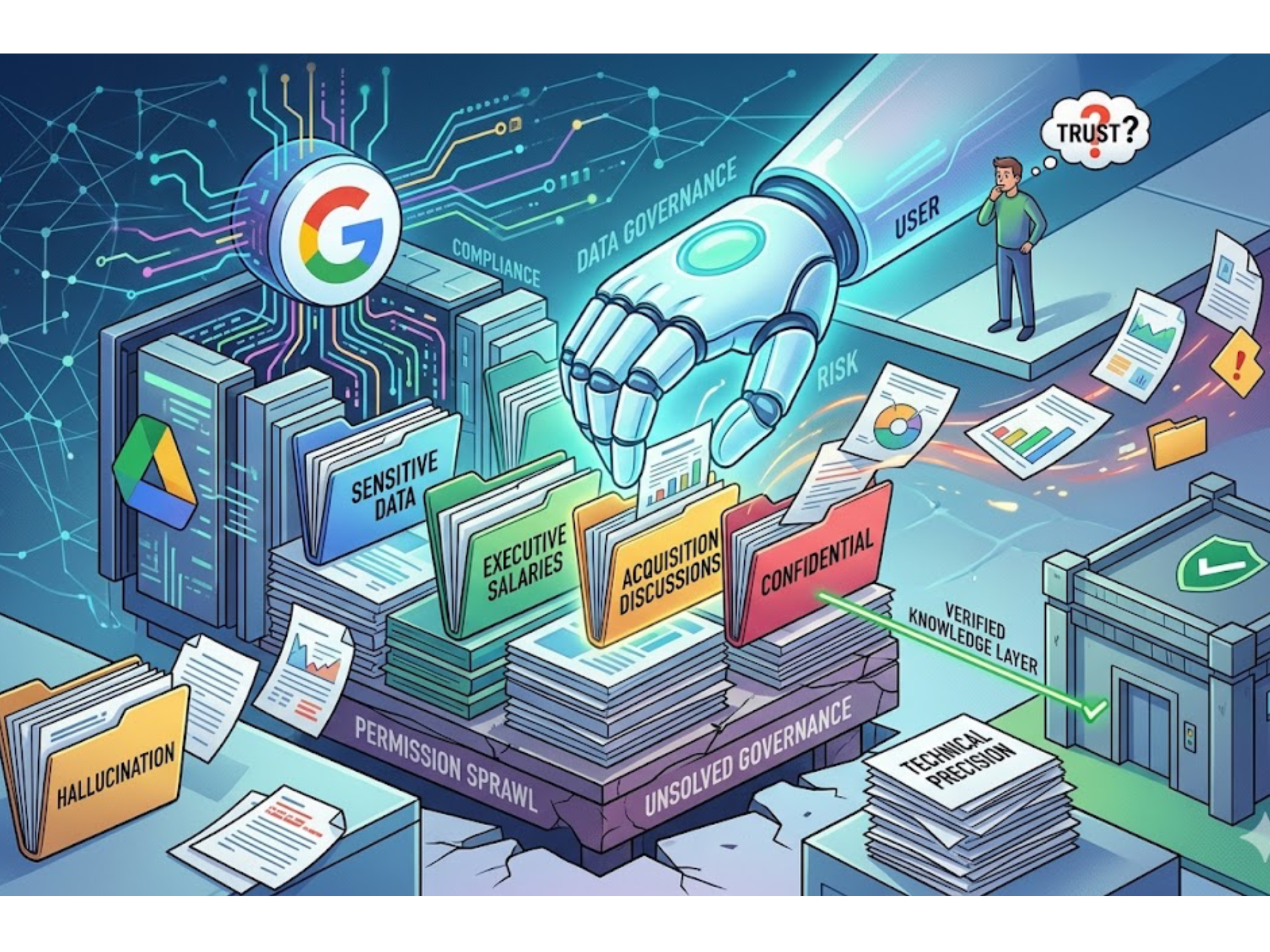
Delphi’s AI is optimized to sound right, not to prove it is right. Answers are rarely traceable to specific source material. The system prioritizes consistency of voice over explicit grounding in documents, which makes it difficult to audit, update, or verify outputs, especially in technical, legal, medical, or operational contexts.
This becomes a serious limitation when:
- The AI is expected to provide factual guidance
- Knowledge must be updated frequently
- Multiple contributors are involved
- Outputs need to be reused in structured formats
- Trust and accountability matter
In other words, Delphi excels at personal amplification, but struggles with knowledge stewardship.
That realization is what drives many teams to explore alternatives.
Implicit: A Fundamentally Different Approach to AI Expertise
Implicit starts from a very different premise: expertise should be grounded in source material, not inferred from personality.
Where Delphi asks “How would this person answer?”, Implicit asks “What does the knowledge actually support?”
Implicit is not an AI clone. It is a private AI workspace where users connect real content (think: documents, videos, links, internal systems) and turn that material into AI Experts (called Navigators) that can be queried, shared, and reused.
Instead of training on a person, Implicit builds intelligence on top of explicit sources. That shift has enormous downstream implications.
How Implicit Works in Practice
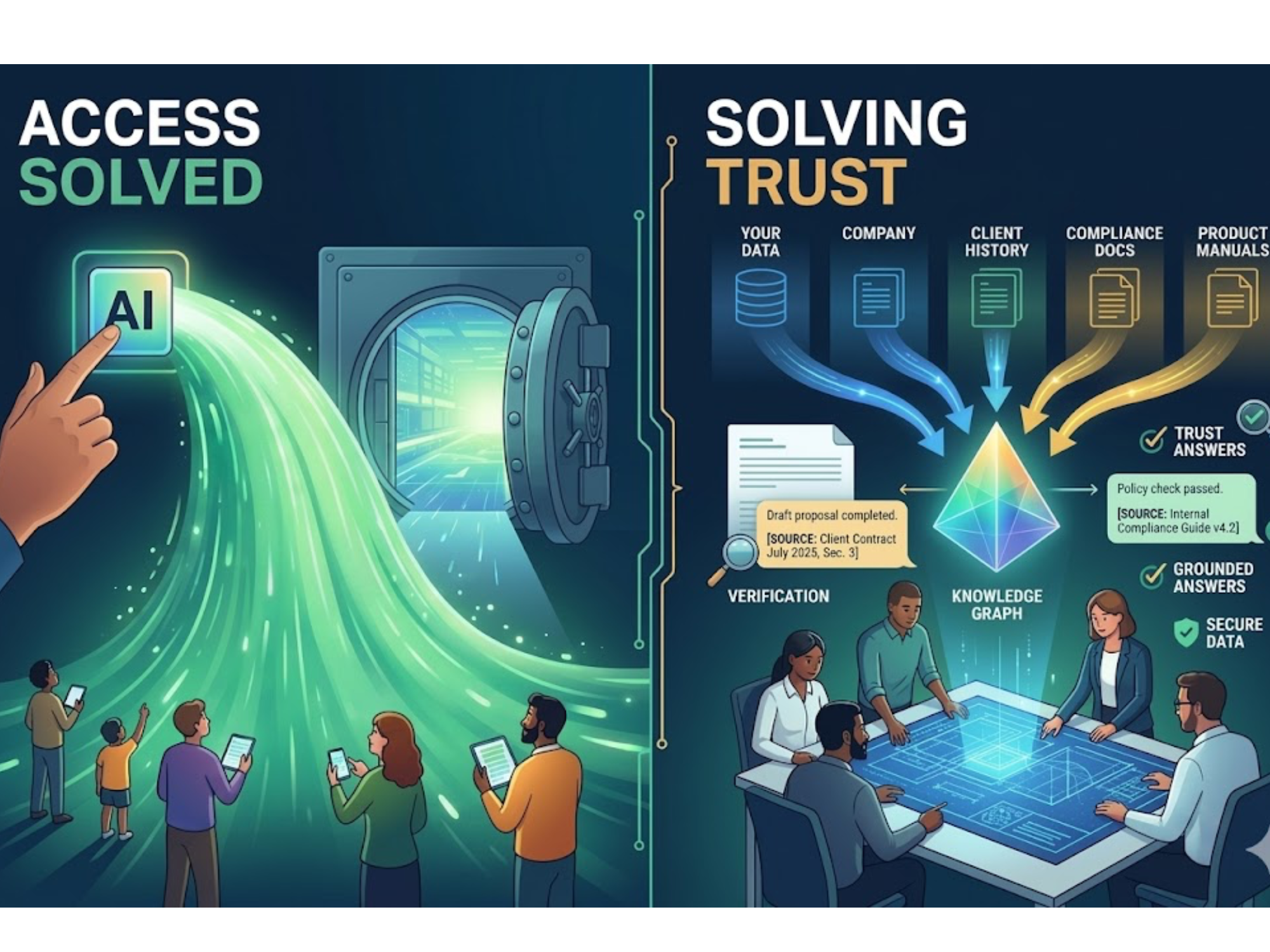
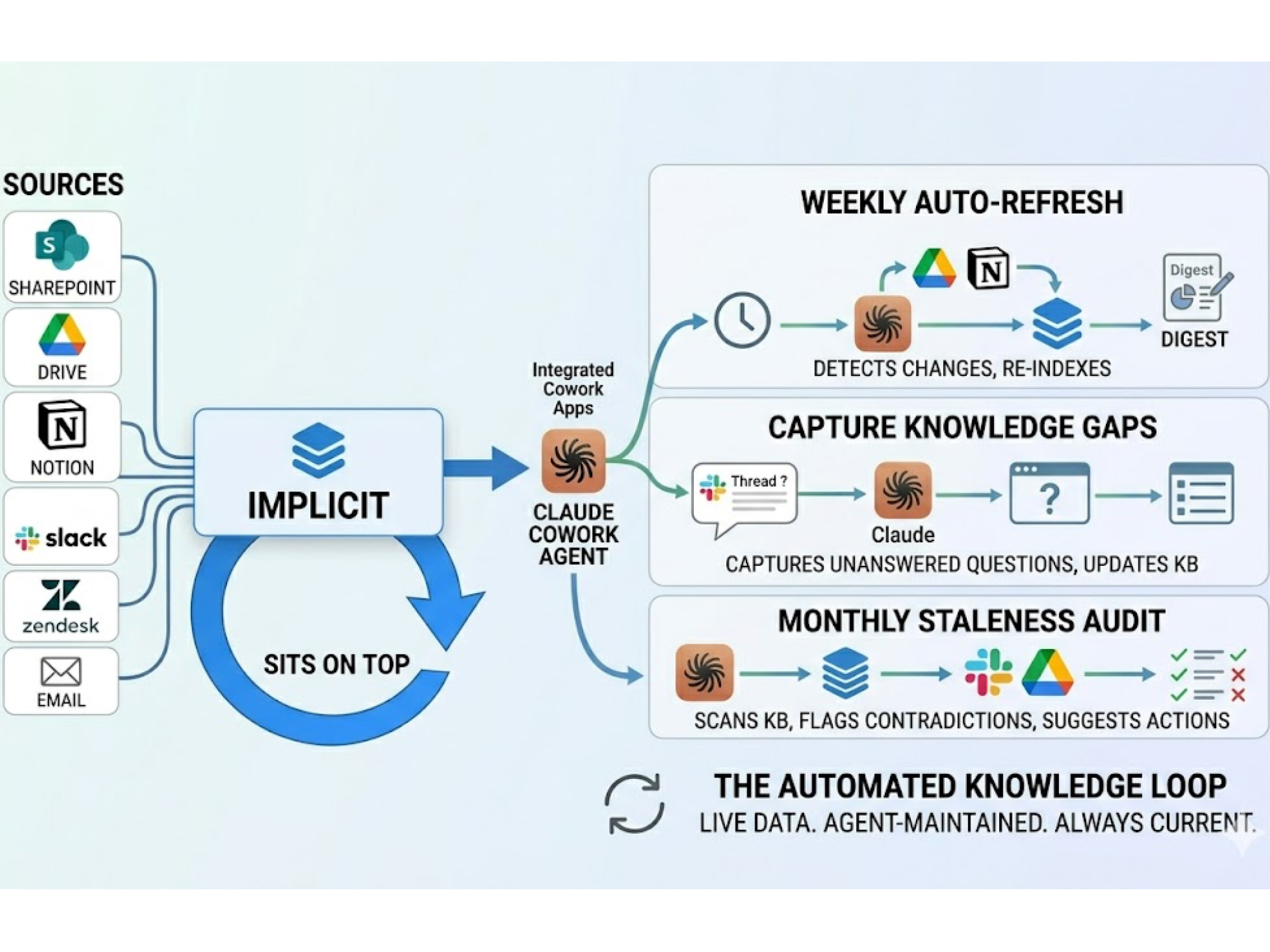
Implicit allows users to connect and continuously update content from a wide range of systems: Google Drive, SharePoint, Notion, PDFs, URLs, YouTube videos, and structured data sources. Once ingested, that content becomes the authoritative foundation for an AI Expert.
When someone asks a question, the system does not guess or generalize. It retrieves relevant passages, reasons over them, and produces an answer that is explicitly grounded in the underlying sources. Users can see exactly where information came from, which makes the AI explainable and trustworthy.
Crucially, Implicit goes far beyond conversational responses. The same expert can generate structured outputs such as:
- SOPs and operational playbooks
- Technical integration guides
- FAQs and support documentation
- Study guides and training materials
- Summaries tailored to specific audiences
This turns expertise into something actionable, not just conversational.
Why Implicit Is a Stronger Alternative to Delphi.ai
The difference between Implicit and Delphi is not incremental, it’s architectural.
Delphi centers on who the expert is. Implicit centers on what the knowledge says.
That makes Implicit a better fit when:
- Accuracy matters more than voice
- Expertise must be shared across teams
- Knowledge must be updated and governed
- Outputs need to live beyond chat
- Content must remain private and non-training
Where Delphi produces an AI that feels like a person, Implicit produces an AI that behaves like a reliable expert system.
How Other Alternatives Compare
ChatGPT with Custom GPTs
Custom GPTs can approximate aspects of both Delphi and Implicit, but they lack structural rigor. While they can simulate tone and ingest documents, they are not designed as long-lived knowledge systems. Source grounding is inconsistent, updates are manual, and governance is limited unless paired with enterprise tooling.
ChatGPT remains exceptional for creativity and ideation, but fragile as a system of record for expertise.
Claude Projects
Claude excels as an analytical reader. It can digest large documents and produce thoughtful, nuanced responses. However, Projects are not reusable expert entities. They lack structured attribution, sharing controls, and mechanisms for turning knowledge into repeatable outputs.
Claude is best seen as a thinking partner, not a platform for distributing expertise.
Perplexity AI
Perplexity is excellent at discovering information on the open web. Its strength lies in surfacing sources quickly, not in owning or curating knowledge. It cannot deeply ingest private content or create persistent experts tied to an organization’s materials.
It’s a research engine, not a knowledge platform.
The Real Decision: Persona vs Knowledge
Choosing an alternative to Delphi.ai ultimately comes down to what you believe expertise is.
If expertise is about voice, worldview, and engagement, Delphi.ai is a strong choice.
If expertise is about accuracy, traceability, reuse, and trust, then personality alone is not enough.
That’s where Implicit stands apart.
Final Verdict: The Best Alternative to Delphi.ai
Delphi.ai successfully demonstrated that people want to interact with expertise conversationally. But as AI matures, the market is shifting from imitation to reliability.
Implicit represents that next step:
- AI experts grounded in real sources
- Explainable answers
- Structured, reusable outputs
- Private, secure knowledge ownership
Delphi.ai scales people. Implicit scales knowledge.
For teams, organizations, and creators who care about long-term trust, that difference is decisive.
.svg)